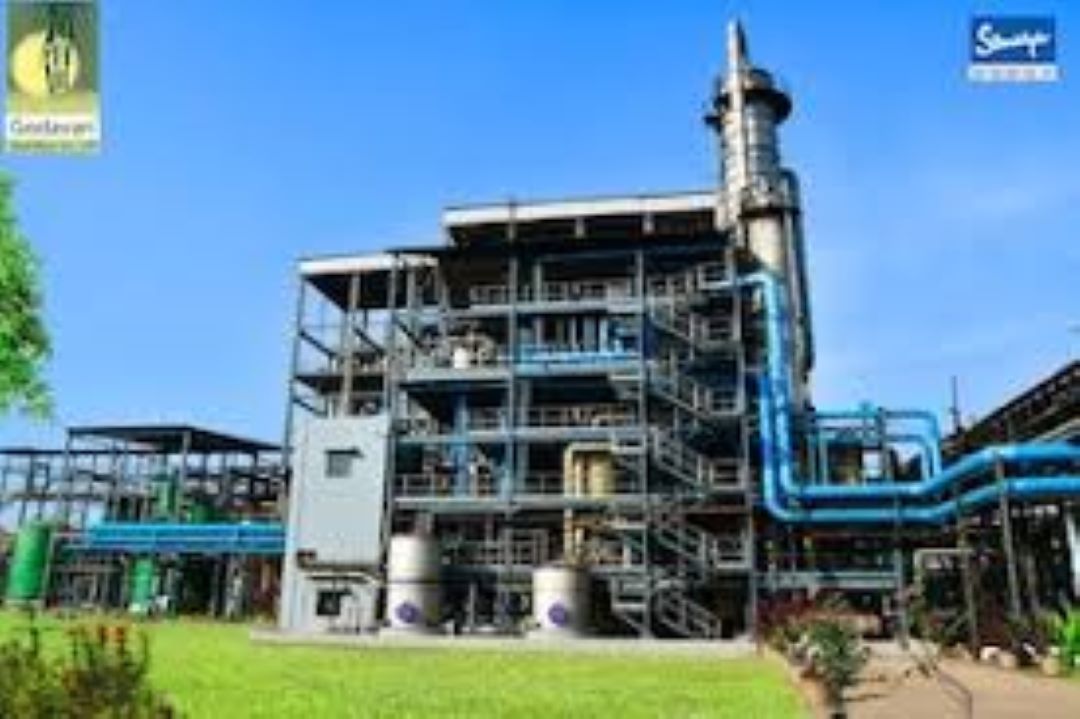
Media Coverage
Godavari Biorefineries Pilots CO₂ to Renewable DME Technology with ICT Mumbai
Indian Federation of Green Energy (IFGE) |
Sep 24, 2026


Dr. Sangeeta Srivastava
Co-Chairperson, IFGE: SBF & Executive Director, Godavari Biorefineries Ltd
Godavari Biorefineries Pilots CO₂-to-Renewable DME Technology with ICT Mumbai
When we talk about India’s ethanol programme, the conversation usually centres on fuel blending, energy security and farmer incomes. Those achievements are significant. Yet another opportunity is emerging within every ethanol distillery.
Every time sugar is fermented to produce ethanol, substantial quantities of carbon dioxide are released. Traditionally, this biogenic CO₂ has been treated as a by-product. Today, the question is different: can this renewable carbon become a valuable feedstock for the next generation of clean fuels?
At Godavari Biorefineries Ltd. (GBL), we have taken an important step toward answering that question. We have commissioned a pilot plant to convert fermentation-derived biogenic CO₂ into renewable Dimethyl Ether (DME) using green hydrogen. This pilot has been established in collaboration with the Institute of Chemical Technology (ICT), Mumbai, one of India’s leading institutions in chemical engineering and catalysis research.
Professor G.D. Yadav, Padma Shri awardee, Bhatnagar Fellow, and former Vice Chancellor of ICT Mumbai, is the Principal Investigator from ICT and brings with him an exceptional record of scientific innovation.
This is no longer merely a laboratory concept. The pilot facility has been installed and commissioned, and testing has commenced using actual fermentation-derived CO₂. We are now entering the most important phase of technology development: optimising catalyst performance, validating process stability, and generating engineering data for scale-up.
A true industry-academia partnership
Successful commercialisation requires complementary expertise.
An industrial partner understands continuous plant operation, feedstock variability, reliability, safety, and economics. An academic institution contributes deep expertise in catalyst design, reaction engineering, thermodynamics, and process intensification.
This project brings these strengths together. GBL and ICT Mumbai are jointly evaluating an innovative, single-step catalytic process that converts carbon dioxide and hydrogen directly into DME.
The collaboration received the prestigious K.V. Mariwala Award for Effective Chemical Industry-Academia Partnership 2025, recognising both the scientific innovation and translational approach adopted by the partners.
Recognition is encouraging, but the true measure of success will be sustained performance under real industrial operating conditions.
Professor G.D. Yadav aptly summarises the broader significance of this work:
“The transition to a sustainable future requires us to view carbon dioxide not as a waste product, but as a valuable renewable carbon resource. This pilot project represents an important step in demonstrating how science, engineering and industry can work together to transform biogenic CO₂ into clean fuels such as dimethyl ether. If successful, this technology has the potential to strengthen India’s circular bioeconomy, enhance energy security and create greater value from the sugar and ethanol industries.”
Current status
Construction and commissioning of the pilot facility have been completed. The current phase focuses on catalyst evaluation under realistic operating conditions.
Carbon dioxide hydrogenation presents several scientific and engineering challenges. Water is formed as a reaction product, trace impurities may accompany fermentation-derived CO₂, and the process operates under elevated pressure and temperature.
The central objective of the pilot is, therefore, straightforward: to determine whether the catalyst can maintain high activity, selectivity, and stability over extended operating periods while delivering consistent DME production.
Commercial deployment will depend on three factors:
- Successful long-duration pilot performance,
- Favourable techno-economic analysis, and
- Increasing availability of competitively priced green hydrogen.
Looking ahead, green hydrogen will be a critical enabler for wider deployment of renewable DME and other carbon utilisation pathways.
At GBL, hydrogen generated in situ as a co-product of certain dehydrogenation processes also presents opportunities for further resource valorisation. As these technologies mature, integrating renewable hydrogen with biogenic carbon has the potential to move beyond net-zero ambitions towards net-negative carbon outcomes.
Until these milestones are achieved, commercial implementation should be regarded as a future opportunity rather than a committed business plan.
This represents GBL’s current position on the project.
A valuable renewable feedstock already available
One advantage of this technology is that the principal carbon feedstock already exists within ethanol plants.
The CO₂ generated during fermentation is biogenic carbon. Sugarcane absorbs atmospheric carbon dioxide during growth, which is subsequently released during ethanol production. Instead of venting this renewable carbon back into the atmosphere, we are exploring ways to convert it into an additional renewable fuel.
At our integrated biorefinery, fermentation generates approximately 600 tonnes of CO₂ per day.
Based on reaction stoichiometry, this quantity could theoretically support production of nearly 200 tonnes per day of renewable DME at commercial scale.
Actual production will depend upon catalyst performance, reactor design, heat management, hydrogen availability, and overall process efficiency and economics.
Why DME matters
DME is attracting increasing global interest as a clean energy carrier.
It burns without sulphur emissions, produces extremely low particulate matter and significantly lower soot than conventional diesel, making it attractive for heavy-duty transportation, agricultural equipment, and stationary power generation.
DME also offers an important infrastructure advantage. It liquefies at approximately 5 bar, similar to LPG, allowing much of the existing LPG storage, transportation, and distribution infrastructure to be utilised with relatively modest modifications.
It can also be blended with LPG, providing a pathway for gradual market adoption while reducing dependence on imported fossil fuels.
With a volumetric energy density of approximately 21 MJ/L, DME is also an attractive renewable energy carrier.
The technology
Conventionally, DME is manufactured in two separate steps. Carbon dioxide is first converted into methanol, which is subsequently dehydrated to produce DME.
The technology being evaluated by GBL and ICT Mumbai integrates both reactions into a single catalytic reactor.
Carbon dioxide and hydrogen are simultaneously converted to methanol, which is immediately dehydrated to DME over the acidic component of a bi-functional catalyst.
Because methanol is consumed as soon as it forms, chemical equilibrium is shifted towards greater overall conversion.
This integrated approach has the potential to simplify plant design, reduce capital costs, and improve process efficiency.
The principal technical challenge remains catalyst durability in the presence of water, making long-term pilot operation essential before any commercial decisions are taken.
Potential impact
India today operates more than 400 ethanol distilleries, most of which currently vent fermentation-derived CO₂.
If carbon utilisation technologies become technically and economically viable, they could transform these facilities into integrated renewable carbon biorefineries producing fuels, chemicals, energy and other value-added products from the same agricultural feedstock.
Such an approach aligns closely with India’s BioE3 Mission, circular economy principles, and the national vision of converting waste into wealth while creating greater value addition in rural areas.
Nevertheless, engineering reality must guide commercial decisions.
Reliable catalyst performance, affordable green hydrogen, robust process economics and compliance with fuel quality specifications remain essential prerequisites for large-scale deployment.
Looking ahead
Our immediate objective is clear: operate the pilot plant, collect high-quality engineering data, and continue improving catalyst and process performance.
If the technology demonstrates sustained technical and economic viability, it could provide a new pathway for integrating carbon utilisation into India’s expanding bio-based manufacturing ecosystem.
Renewable DME is not intended to replace ethanol. Rather, it has the potential to complement ethanol, broadening the portfolio of renewable fuels and renewable carbon-based products derived from agricultural biomass.
India’s energy transition will be achieved not through a single technology, but through a portfolio of innovations that make better use of domestic renewable resources.
The project represents one of India’s first integrated demonstrations of direct catalytic conversion of fermentation-derived biogenic CO₂ into renewable DME, bringing together industrial biotechnology, heterogeneous catalysis and process engineering in a single circular carbon platform.
Source:- IFGE
Share
Bio-based feedstocks: The Indian model
european-coatings.com |
Jun 23, 2026
India is advancing the development of bio-based feedstocks through targeted policies and innovative approaches. Sangeeta Srivastava, Executive Director at Godavari Biorefineries, discusses how ethanol-based value chains are being utilised to create sustainable intermediates for the coatings industry while ensuring traceability and resource efficiency,


.
How is India advancing responsible bio-based feedstocks?
Sangeeta Srivastava: Today’s geopolitical tensions are forcing the global chemical value chain to reevaluate its dependence on bio-based raw materials for fuels and chemicals. India, the world’s third-largest ethanol producer, is a premier example of how proactive policy drives this bio-based transformation. By progressively increasing bioethanol blending targets up to 30% in fuels, the government has created the robust demand necessary for the industry to achieve true commercial scale. At Godavari Biorefineries, we have built upon this foundation through dedicated research and scalable feedstock innovation. Utilising responsibly sourced sugarcane, we convert bioethanol into higher-value, sustainable intermediates like bio-butanol—a critical building block for the next generation of more sustainable coatings and acrylates.
Crucially, we secure this supply from the ground up. By partnering directly with smallholder farmers, we strengthen better labor rights and social conditions, deploy modern agricultural technologies and regenerative practices to improve soil health and boost crop yields. This continuous innovation and co-creation at the farm level ensures that our productivity gains protect food security, delivering scalable, non-food feedstocks that empower global material science.
What challenges remain in scaling sustainable bio-based feedstocks?
Srivastava: Scaling sustainable bio-based feedstocks creates opportunities to further optimise the entire system. While feedstock availability is seasonal, we see a catalyst for continual innovation. To address seasonality and ensure a reliable supply chain, our integrated biorefinery model is designed for maximum operational flexibility. Furthermore, our direct collaboration with smallholder farmers on regenerative agriculture focuses heavily on resource efficiency, drastically optimising water and land use to ensure our yields grow without straining local ecosystems. Still, broader market adoption requires absolute trust, and certification and traceability systems are evolving to meet this need.
Godavari is proactively championing this transparency. By offering Bonsucro/USDA-certified bio-based products and maintaining a clear, auditable line of sight from the farmer’s field to the final chemical intermediate, we are delivering the robust lifecycle assessment (LCA) data that brand owners demand. Farm-to-factory traceability builds confidence across the value chain, actively de-risking the transition toward sustainable materials.
What are the advantages of ethanol-derived bio-based intermediates for the coatings industry?
Srivastava: The development of ethanol-based value chains both enables and accelerates the production of higher-value bio-based intermediates. Over time, bio-based derivatives such as bio-butanol offer a more predictable cost base compared to petrochemical feedstocks, which are exposed to crude oil volatility. This creates a strong foundation for scalable and competitive solutions.
This interview is part of a two piece series. We also spoke to Julie Haevermans, Vice President of Marketing, Coating Solutions, and Richard Jenkins, Senior Vice President, Coating Solutions, of Arkema, who is working with Godavari Biorefineries, about how industry collaboration, regional priorities, and supply chain dynamics are shaping the future of bio-based technologies.
Source:- Europenacoatings.com
Share
This clean cooking fuel made from crop waste could help power millions of Indian home kitchens
thebetterindia.com |
Feb 10, 2026
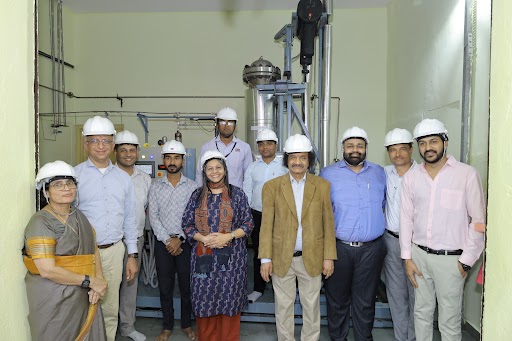
With LPG prices rising and global conflicts disrupting fuel supplies,India Already has a Homegrown solution made from Crop Waste.Scientists have developed Dimethyl Ether (DME), a clean cooking fuel made from crop waste and captured CO₂ that can work with existing LPG infrastructure.
If scaled, it could cut imports, support farmers, and strengthen India’s energy security.
Global conflicts are choking fuel supplies, LPG prices are soaring, and millions of Indian kitchens are struggling. But a homegrown innovation— Dimethyl Ether (DME)—could replace LPG and put control back in India’s hands.
Developed by India’s National Chemical Laboratory, DME is produced from crop residue and industrial CO₂, giving farmers extra income while cleaning helping cities breathe cleaner air.It burns clean, produces less smoke, and works with existing LPG infrastructure. Kitchens can switch without the need for new pipe lines or gadgets.
The technology has successfully demonstrated indigenous DME production at 250 kg/day, with plans to scale to 2.5 tonnes/day.Godavari Biorefineries and ICT Mumbai’s one-step CO₂+ hydrogen to DME process—a global first—has won the Kishore Mariwala Award, proving India can scale sustainable science.
From farm waste to your kitchen flame, DME shows that India can solve its fuel challenges—cleanly, sustainably, and locally.
Could this be the answer to India’s LPG shortage and energy self-reliance?
Source: thebetterindia.com
Link:- thebetterindia
Share
No Engine Damage, No Insurance Risk: Centre Debunks Viral Ethanol Myths
NDTV.com |
Jun 24, 2026
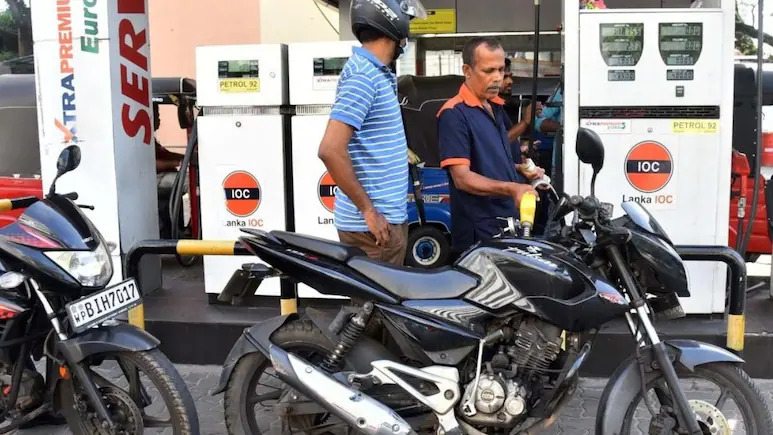
India's ambitious ethanol blending programme has come under fresh scrutiny on social media, prompting the Union Ministry of Petroleum and Natural gas to issue a strong clarification against what it described as "misleading and unsubstantiated" claims about E20 fuel.
The ministry on Tuesday said several old videos, images and inaccurate claims are being circulated online to create confusion around Ethanol Blended Petrol (EBP), despite the programme being scientifically validated and continuously monitored by authorities.
The government's statement comes amid a surge in viral content alleging engine damage, water contamination, insect attraction and even insurance-related complications linked to E20 fuel. Officials said these claims have no scientific basis and risk undermining a programme that has become a key pillar of India's energy security strategy.
"The Ethanol Blending Programme is scientifically validated and continuously monitored by the Government," the ministry said, adding that the rollout of higher ethanol blending levels has been undertaken only after extensive technical evaluation and consultations with automobile manufacturers, fuel testing agencies, oil marketing companies and other stakeholders.
Two Decades In The Making
India launched its ethanol blending programme in 2003 with a clear objective: reduce dependence on imported crude oil, improve energy security and cut emissions.
The programme was implemented gradually over the years before the nationwide rollout of 20 per cent ethanol-blended petrol, or E20, from 2023 onwards.
According to the government, no widespread cases of engine failure or vehicle breakdown attributable to ethanol blending have been reported since the introduction of E20 fuel.
One of the latest claims circulating online revolves around ethanol's hygroscopic nature, or its tendency to absorb moisture. The ministry clarified that water entering a fuel tank is undesirable regardless of whether the fuel contains ethanol or not. Modern vehicles are equipped with safeguards and design features to prevent water ingress into fuel systems.
Sugarcane Juice & Petrol?
Another set of viral videos has attempted to portray sugarcane juice being mixed directly with petrol. The government dismissed such content as misleading and baseless.
Officials explained that fuel-grade ethanol undergoes multiple industrial processes, including fermentation and distillation, before it can be blended with petrol. While ethanol may be produced from feedstocks such as sugarcane juice, molasses, maize and broken rice, the final ethanol bears no resemblance to the original agricultural input.
The ministry said such videos appear designed primarily to generate sensationalism and attract online viewership.
The 'Ants Near Fuel Cap' Controversy
One of the most widely shared videos in recent weeks showed ants gathering near a vehicle's fuel tank, triggering speculation that E20 fuel was attracting insects because of residual sugar content.
Responding to the controversy, Bharat Petroleum Corporation Ltd (BPCL) clarified that fuel-grade ethanol contains no residual sugars. The fermentation and distillation process removes sugars entirely, while denaturants added to fuel ethanol are actually repellent to insects.
"There is no identifiable attractant associated with E20 fuel that would cause ants or other insects to congregate around vehicle fuel caps," BPCL said, rejecting the claim as scientifically unsupported.
Insurance Concerns Also Dismissed
The government also addressed another concern gaining traction online -- that using E20 fuel could invalidate vehicle insurance policies.
After consultations with relevant stakeholders, authorities concluded that these claims were incorrect. The ministry reiterated that consumers using E20 fuel have no reason to fear adverse consequences for insurance coverage solely because of ethanol blending.
Global Practice, Not An Indian Experiment
Officials pointed out that ethanol blending is not unique to India. It is already widely used in major economies including the United States, Brazil and Japan.
Brazil, often cited as a global benchmark in biofuels, uses E27 as its standard petrol blend, a higher ethanol concentration than India's current E20 fuel.
The government said India's ethanol roadmap has been developed after studying international experience and adapting it to local conditions.
Rs 1.4 Lakh Crore Saved, Farmers Gain
Beyond technical safety, the government highlighted the economic impact of the programme.
According to official estimates, ethanol blending has helped India save more than Rs 1.4 lakh crore in foreign exchange by reducing crude oil imports. The programme has also created steady demand for agricultural feedstocks used in ethanol production, supporting farmer incomes and strengthening rural economies.
Industry leaders say these benefits are often overlooked in public discussions dominated by viral misinformation.
Samir Somaiya, Chairman and Managing Director of Godavari Biorefineries Ltd, said India's ethanol journey has been built on years of scientific research and practical experience.
"India's ethanol programme has been built over more than two decades of patient science and steady execution, learning from the way Brazil and the US built theirs," Somaiya said.
He noted that fermentation and distillation fundamentally transform the original feedstock and that every batch undergoes rigorous testing before reaching consumers.
Somaiya also emphasised the broader gains from the programme, including lower crude oil imports, substantial foreign exchange savings and stronger support for farmers.
"What excites me even more than the chemistry is what this programme has done for the country -- crude imports reduced and foreign exchange saved, farmer incomes and their economic prosperity strengthened, and commendable progress towards energy self-sufficiency and, last but not least, in mitigating climate change," he said.
His remarks echo the government's position that the ethanol blending programme is not merely a fuel initiative but part of a wider effort to improve energy security and reduce carbon emissions.
As social media debates continue, both the government and industry stakeholders are urging consumers to rely on scientific evidence rather than viral claims. For policymakers, the message is clear: India's ethanol blending programme remains a cornerstone of the country's clean-energy transition, and officials intend to keep pushing ahead with it despite misinformation campaigns.
Source: NDTV.com
Share
Godavari Biorefineries secures Japan patent for host-targeting antiviral molecules
economictimes.com |
Mar 23, 2026
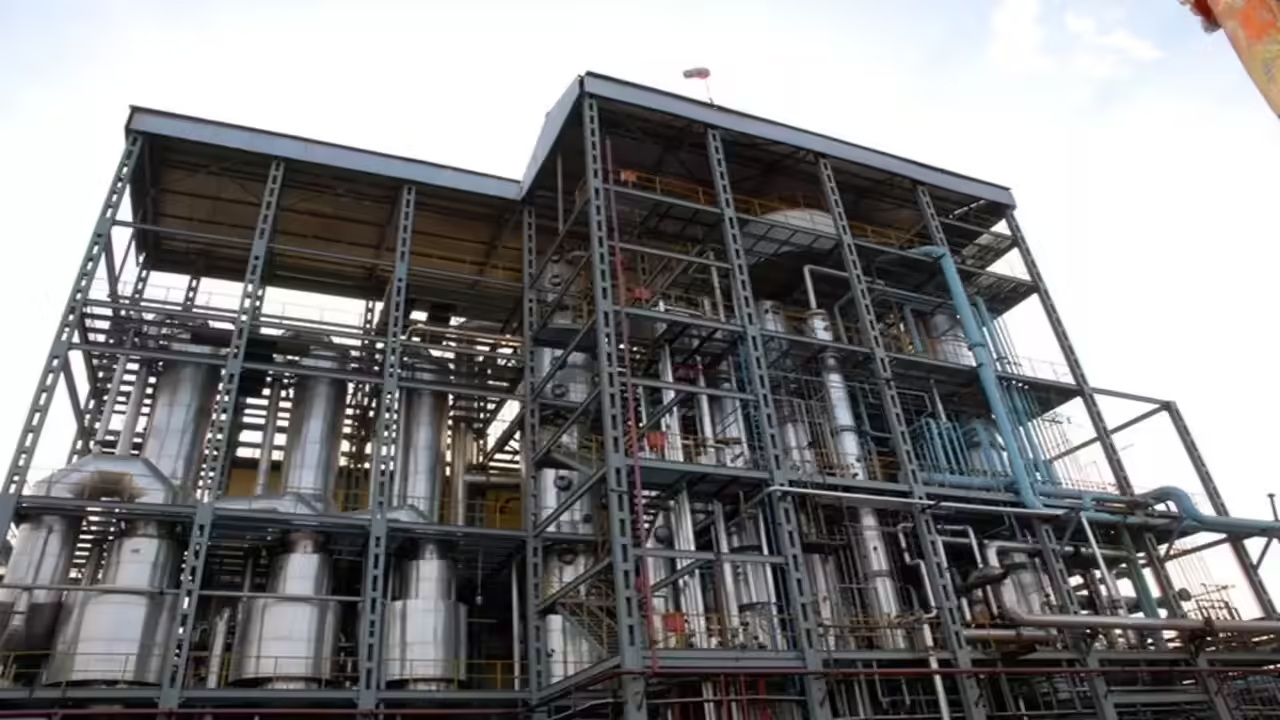
Godavari Biorefineries Ltd on Monday said it has received a patent from the Japan Patent Office for its invention titled “Use of Compounds for Treating Viral Infections”.
According to the official press release, the patent covers the second medical use of the company’s lead compound MSP22 and its derivatives for antiviral applications through inhibition of Vacuolar ATPase (V- ATPase).
The company said the compounds inhibit V-ATPase activity in cells, a mechanism involved in viral infection pathways. The patent names Maithili Athavale, Sandip Gavade, Prashant Kharkar and Sangeeta Srivastava as inventors
Focus on life sciences research
The development is part of the company’s life sciences programme led by Sathgen Therapeutics, its biotechnology arm focused on drug discovery.
Godavari Biorefineries said the compounds target host-cell pathways linked to viral infections and may affect viral entry and replication. The patent in Japan adds to its intellectual property portfolio for antiviral research.
Samir Somaiya, Chairman and Managing Director, Godavari Biorefineries Ltd, said, “Securing this patent in Japan reflects a natural extension of our ongoing work in drug discovery. As we progressed with our R&D efforts on lead molecules, we identified their potential to inhibit mechanisms such as V-ATPase, which are relevant in antiviral applications".
Sangeeta Srivastava, Executive Director, said, “Research that targets the V-ATPase, which is a cellular enzyme complex exploited by viruses, could open new directions in antiviral therapy"
The company said the research could support the development of therapies targeting multiple viral families by focusing on host-cell mechanisms rather than specific viruses.
Source: Economictimes.com
Share
India's Godavari Biorefineries to start grain-based distillery in June quarter
economictimes.com |
Mar 02, 2026

Mumbai: Indiaa's Godavari Biorefineries plans to commission a 200 kilolitres-perday (KLPD) grain-based distillery in the June quarter, a move aimed at diversifying its feedstock and enabling the use of both sugarcane and corn depending on market prices.
"The new distillery will be integrated with our existing distillery. It will be a fungible facility that can change feedstock," Samir Somaiya, managing director of the company told Reuters.
The company operates a sugar mill in northern Karnataka, a key corn-growing region, he said. Indian sugar mills, long reliant on sugarcane for ethanol, are shifting to grain-based distilleries to run year-round and reduce exposure to swings in cane output.
Mills must pay a state-advised price to cane growers, which squeezes margins in surplus years when abundant supply depresses sugar prices while fixed cane payments remain in place.
There is a need to raise the minimum selling price of sugar to reflect higher cane costs and ensure mills can pay farmers the promised rates for their produce, said Somaiya.
Grain-based distilleries accounted for 69% of ethanol blended with petrol in the last marketing year, with sugarcane feedstock making up the remaining 31%, according to the All India Distillers' Association.
Corn prices are trading nearly a third below the government-set floor price due to a production surplus, making corn-based ethanol more profitable than sugarcanebased output, industry officials said.
Source: Economictimes.com
Share
Oil to Soil Economy: Godavari Biorefineries’ vision takes centrestage at APAC Bio Summit
www.chinimandi.com |
Mar 09, 2026
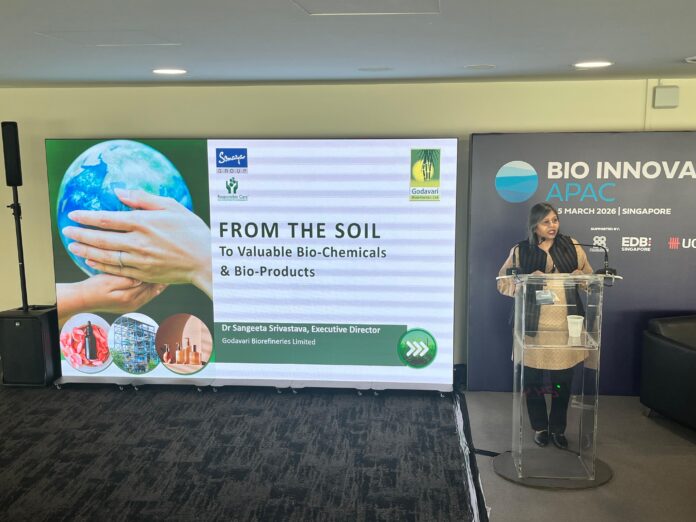
Godavari Biorefineries Ltd.(GBL), one of India’s leading integrated biorefineries, presented its ‘soil to bio-products’ innovation approach at Bio Innovations APAC 2026 in Singapore on March 4–5.
Representing GBL, Dr Sangeeta Srivastava, Executive Director, delivered a keynote address and took part in a fireside chat titled “From the Soil to Valuable Bio-Chemicals and Bio-Products”.
At the core of GBL is its integrated biorefinery model, which converts agricultural feedstocks into a wide range of bio-based products. These span food ingredients and biofuels through to specialty biochemicals used across industries, including skincare, cosmetics, agrochemicals, adhesives, and coatings.
By connecting agriculture, industrial biotechnology and advanced processing, the company has built scalable pathways that offer real alternatives to fossil-based chemical systems. These threads ran through the keynote address delivered at the conference.
Speaking at the conference, Dr Srivastava said: “Innovation has to start from developing feedstocks to end products, better processes, more energy efficiency, policies, regulations and financing. Looking at the Carbon source from the field where it is generated is very important. We need to move from Oil to Soil economy. However, there is no single solution or technology for reducing emissions in the chemicals sector, and multiple initiatives will be required. So innovation is needed in each aspect of the value chain. Starting from the farm, soil, feedstock, to finished goods and beyond. The focus must remain at the intersection of ecology and economy. ESG is not a peripheral activity; it is integrated into our biomass-based growth model through co-creation with our stakeholders.”
The conference convened stakeholders from across the Asia-Pacific industrial biomanufacturing ecosystem and included targeted one-to-one meetings to facilitate collaborations and partnerships.
Source: chinimandi.com
Share
Godavari Biorefineries Reports Strong Q3 FY26 Performance with Improved Profitability and Margin Expansion
themachinemaker.com |
Feb 14, 2026
Godavari Biorefineries Limited (GBL), a leading ethanol producer and a pioneer in bio-based specialty chemicals in India, announced strong financial results for the third quarter of FY26, reflecting higher profitability, improved margins and steady progress in strategic initiatives. For the quarter ended Q3 FY26, the company recorded total income of ₹461.9 crore compared with ₹450.8 crore in the same period last year. EBITDA rose 13.8 percent year-on-year to ₹45.1 crore, while EBITDA margin improved to 9.8 percent from 8.8 percent a year earlier. Profit before tax, excluding exceptional items, increased sharply to ₹21.4 crore, up 152.2 percent year-on-year.
During the first nine months of FY26, GBL reported total income of ₹1,430.2 crore and EBITDA of ₹47.2 crore, compared with a loss of ₹1.4 crore in the corresponding period last year. Loss before tax, excluding exceptional items, narrowed significantly to ₹31.2 crore from ₹97.3 crore in 9M FY25.
The bio-based chemicals segment delivered strong growth, supported by rising demand for specialty chemicals. The sugar and cogeneration business also reported higher earnings during the quarter, while the ethanol segment remained stable. Specialty chemicals accounted for 62 percent of the bio-based chemicals mix in the first nine months of FY26, and the company expects this contribution to increase further as it expands its portfolio of high-value products.
Commenting on the results, Chairman and Managing Director Samir Somaiya said the company achieved a significant improvement in profitability during Q3 FY26 through operating efficiency and careful execution, along with a sharper focus on high-margin products. He noted that finance costs declined by 46 percent year-on-year, reflecting efforts to strengthen cash flows and support growth.
Mr Somaiya also highlighted key developments during the quarter, including the grant of a U.S. patent for a novel anti-cancer compound targeting triple-negative breast cancer, demonstrating the company’s focus on research-led innovation. Progress continued on the DME-to-CO₂ technology initiative, with pilot plant activities underway.
GBL recently partnered with Synthomer to develop bio-based alternatives to fossil-based monomers. Synthomer is commercialising bio-based butyl acrylate using GBL’s bio-based butanol, helping accelerate the adoption of sustainable raw materials across industries.
The company’s consumer brand, Jivana, crossed ₹100 crore in revenue during the first nine months of FY26, marking steady growth in the retail segment. GBL’s fungible grain-based ethanol capacity is expected to be commissioned in Q1 FY27, positioning the company to benefit from the expansion of the ethanol blending programme and rising demand for maize-based ethanol.
With continued investment in technology, capacity optimisation and sustainability initiatives, Godavari Biorefineries aims to strengthen efficiency, manage seasonal fluctuations and expand its presence in bio-based specialty chemicals. The company believes these efforts will support long-term growth and value creation.
Godavari Biorefineries Limited is among the top ethanol manufacturers in India and a frontrunner in ethanol-based chemical production. The company’s diverse portfolio includes bio-based chemicals, sugar, rectified spirits, ethanol, multiple alcohol grades, and power. GBL is uniquely positioned in the Indian market with an extensive range of bio-based products such as MPO, natural 1,3-butylene glycol, ethyl vinyl ether, and others.
Source: themachinemaker.com
Share
Budget 2026 should focus on incentivizing E100-ready infrastructure: GBL Executive Director Dr. Sangeeta Srivastava
www.chinimandi.com |
Jan 19, 2026
The country is awaiting the upcoming Budget, which Finance Minister Nirmala Sitharaman is scheduled to present on February 1, 2026. Various sectors and industries are outlining their expectations ahead of the announcement.
The ethanol industry has sought greater focus on incentivizing E100-ready infrastructure and accelerating the mandate for Sustainable Aviation Fuel (SAF) to absorb the additional ethanol capacity in Budget 2026–27.
Dr. Sangeeta Srivastava, Executive Director, Godavari Biorefineries Ltd. (GBL), applauded the achievement of E20 blending ahead of schedule and said, “Having successfully achieved E20 blending ahead of schedule, India now faces a productive surplus that requires urgent demand-side policy innovation. Budget 2026 should focus on incentivizing E100-ready infrastructure and accelerating the mandate for Sustainable Aviation Fuel (SAF) to absorb this additional ethanol capacity. It will lead to a strategic shift toward ethanol-to-chemicals and high-value bio-based derivatives is essential.”
“This budget must provide the fiscal framework to transition from fuel blending to a global leadership role in the Sustainable Chemical economy,” she further added.
The Indian Sugar & Bio-Energy Manufacturers Association (ISMA) has also sought a budgetary outlay of ₹15,000–20,000 crore to support advanced biofuel projects, including second-generation ethanol and Sustainable Aviation Fuel (SAF), as the sugar industry grapples with surplus production, weak prices, and constraints on ethanol diversion.
The OMCs have allocated around 1,048 crore litres of ethanol against 1,776 crore litres of offers submitted by manufacturers across the country for ESY 2025–26 (Cycle 1). OMCs had invited tenders for the supply of 1,050 crore litres of ethanol for ESY 2025–26.
In the allocation, maize holds the largest share at 45.68 per cent (around 478.9 crore litres), followed by FCI rice at 22.25 per cent (around 233.3 crore litres), sugarcane juice at 15.82 per cent (around 165.9 crore litres), B-heavy molasses at 10.54 per cent (around 110.5 crore litres), damaged food grains at 4.54 per cent (around 47.6 crore litres), and C-heavy molasses at 1.16 per cent (around 12.2 crore litres).
Currently, India’s total ethanol production capacity as of November 2025 is about 1,990 crore litres, and the industry is calling for an increase in ethanol blending beyond 20 per cent, stating that capacities are underutilised.
The budget push comes at a time when the sugar industry is navigating what the industry has described as a challenging phase, despite strong production.
Source:ChiniMandi.com
Share
Samir Somaiya becomes first Indian to receive Plinio Nastari Sugar Excellence Award
www.chinimandi.com |
Dec 12, 2025
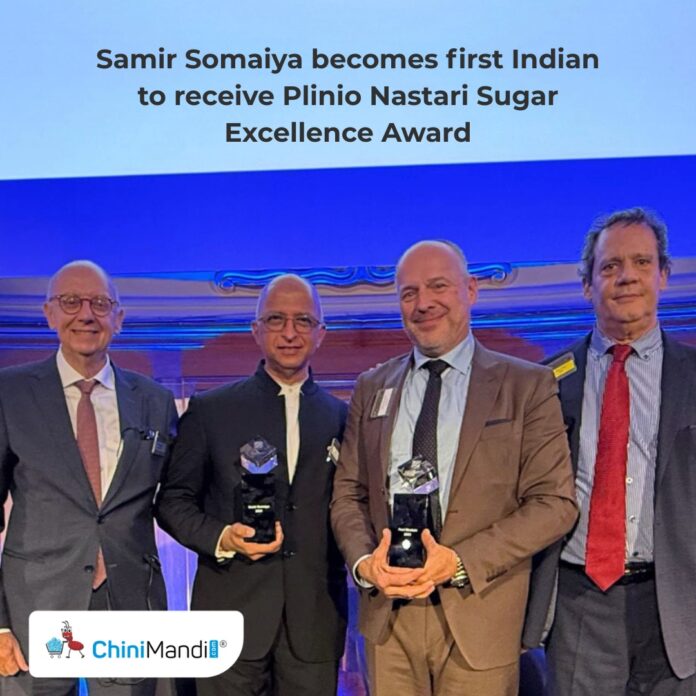
Samir Shantilal Somaiya, Chairman and Managing Director of Godavari Biorefineries Ltd. (GBL), has received the Plinio Nastari Sugar Excellence Award from the International Sugar Organisation (ISO) at the 34th ISO International Seminar in Westminster, London. The award was instituted by ISO, under the theme “Sustainable Solutions for Sugar & Energy”, to recognise outstanding achievement in the world of sugar & bioenergy. He is the first Indian to receive this recognition, marking a key moment for India’s sugar, ethanol and bioenergy sectors on the global stage.
At the ceremony, Mr Somaiya reflected on the link between economic progress and social development, referencing the legacy of his grandfather, who established the Somaiya family’s first school in 1942 to ensure education advanced alongside industry. He highlighted the importance of soil health, agricultural ecosystems and farmer livelihoods in shaping a sustainable future, underscoring that the green transition is essential both for climate goals and for securing incomes for small farmers.
He added, “Today, the green transition is essential to mitigate climate change, and in countries like ours with so many small farmers, it directly strengthens their income security and long-term resilience. I am humbled to receive this award on behalf of my company, my organisation and my country. My grandfather and father taught me that business is an agent of social change — that financial growth must move together with social and environmental progress. I love the world we are in: the smell of the earth in the morning, the sweetness and smiles that sugar brings to our lives. It is our duty to ensure the world we pass on remains sustainable, inclusive and as (if not more) beautiful as we found it.”
Under his leadership, GBL has developed one of India’s most integrated biorefining ecosystems, combining agriculture, green chemistry, renewable energy and rural development. The company works with more than 20,000 farmers across 200+ villages to improve yields, strengthen climate resilience and support regenerative cultivation.
Key recent initiatives and recognitions under his leadership include:
Commissioning a multi-purpose speciality bio-chemical plant in Maharashtra to produce renewable, bio-based ingredients used across coatings, resins, cosmetics, pharmaceuticals and fragrances.
Strengthening biotechnology through Sathgen Therapeutics, including advanced research on therapies for difficult-to-treat cancers and the establishment of Sathgen Therapeutics LLC in Princeton, USA, for global collaboration.
Launching the CO₂-to-DME pilot plant with ICT Mumbai, a scalable pathway to converting industrial emissions into clean fuel and chemical feedstock.
Mr Somaiya was also awarded the Rasayan Udyog Ratna Award by the Indian Chemical Society for his contributions to sustainable chemistry.
These initiatives reflect a leadership approach rooted in scientific depth, farmer-focused development and alignment with India’s renewable-energy and bioeconomy priorities.
Source:ChiniMandi.com
Share
Pages